Industrial filtration plays a critical role in maintaining operational reliability in oil & gas, petrochemical, and process manufacturing facilities. In regions like Houston—one of the world’s largest hubs for energy and refining—filtration systems must withstand demanding process conditions, including elevated temperatures, high pressures, and corrosive media. Selecting the right high temperature process filters in Houston requires careful evaluation of process parameters, materials, and engineering standards.
This guide explains the key factors engineers and procurement teams should consider when selecting industrial process filters for oil and gas, including the importance of process filter housings ASME code compliance.
Why High-Temperature Filtration Matters in Oil & Gas Processes
High-temperature process streams are common in refining, petrochemical cracking, gas treatment, and steam systems. In such environments, filtration systems must maintain performance while resisting thermal stress and material degradation.
Industrial filter housings and filtration media must handle extreme conditions without compromising safety or efficiency. For example, many industrial filter housings can operate at temperatures exceeding 150 °C depending on seal materials, while certain specialized housings can withstand temperatures up to about 260 °C in harsh environments.
Failure to properly filter process streams can lead to:
- Equipment fouling and catalyst contamination
- Pump and valve damage
- Reduced process efficiency
- Increased maintenance downtime
Because filtration systems directly affect plant reliability, selecting the right system is a strategic engineering decision—not simply a procurement task.
Understanding High-Temperature Process Filters
High-temperature process filters are engineered to remove particulates, contaminants, or droplets from liquid or gas streams operating at elevated temperatures.
These systems typically consist of three main components:
- Filter housing (pressure vessel)
- Filter elements or cartridges
- Sealing and connection systems
The filter housing serves as the structural body that contains the filter media and directs the process flow. A filter housing essentially acts as a pressure vessel that holds the filter cartridges or bags and ensures proper containment and flow distribution.
In high-temperature applications, both the housing and filter elements must be designed to maintain structural integrity under thermal expansion, pressure fluctuations, and corrosive environments.
Key Factors When Choosing High-Temperature Process Filters
1. Operating Temperature and Pressure Requirements
The first step in selecting industrial process filters for oil and gas applications is determining the maximum operating temperature and pressure.
High-temperature filtration systems often operate in conditions where:
- Process fluids exceed 100 °C
- Differential pressures fluctuate rapidly
- Thermal cycling occurs during startup and shutdown
Materials such as stainless steel (SS316), high-alloy steel, or specialty alloys are commonly used in filter housings because they provide excellent resistance to heat and corrosion.
Filter element materials must also tolerate temperature stress. Common media used in high-temperature filtration include:
- Sintered metal filters
- Ceramic filtration media
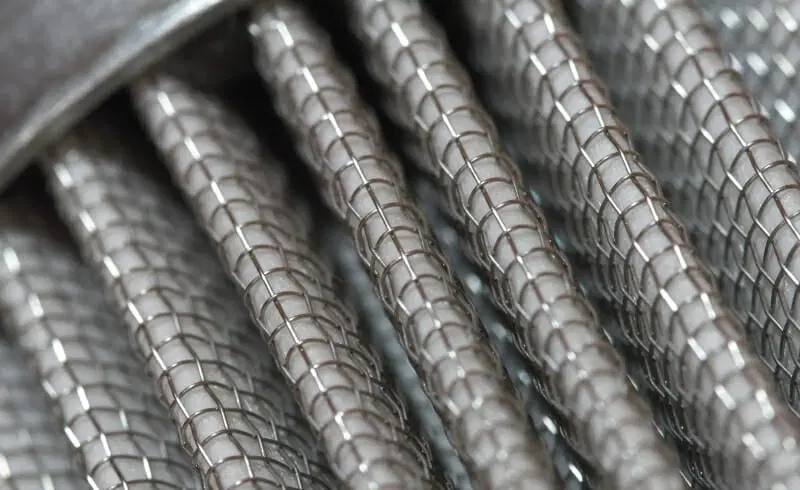
- Stainless steel mesh cartridges
- High-temperature synthetic fibers
Ensuring compatibility between the process fluid, temperature range, and filter materials is essential to prevent premature failure.
2. ASME Code Compliance for Filter Housings
One of the most critical considerations when choosing filtration equipment is compliance with recognized engineering standards.
In high-pressure and high-temperature systems, filter housings are typically designed according to the ASME Boiler and Pressure Vessel Code (BPVC). This internationally recognized standard establishes requirements for the design, fabrication, inspection, and certification of pressure vessels.
In many industrial filtration applications, ASME Section VIII governs the construction of filter housings because these housings function as pressure vessels.
ASME-compliant filter housings provide several advantages:
- Verified structural integrity under pressure
- Improved operational safety
- Compliance with regulatory and inspection requirements
- Reduced risk of leaks or vessel failure
For the oil and gas industry, most filter housings are designed and manufactured according to ASME Section VIII standards, ensuring reliability in demanding process environments.
When evaluating process filter housings ASME code compliance, engineers should confirm:
- ASME U-stamp certification
- Pressure and temperature ratings
- Material traceability
- Design documentation and testing records
3. Filter Housing Design and Configuration
Filter housings come in several configurations depending on the process flow rate, filtration level, and installation constraints.
Common industrial configurations include:
Cartridge filter housings
- Ideal for fine filtration
- Used in polishing or final filtration stages
- Available in multi-cartridge designs for high flow rates
Bag filter housings
- Suitable for large particulate removal
- Often used as pre-filtration systems
Basket strainers and self-cleaning filters
- Used where high debris loads are present
Cartridge filter housings can accommodate multiple filter cartridges simultaneously, increasing filtration surface area and allowing higher flow rates while maintaining efficiency.
The correct configuration depends on factors such as process flow rate, contaminant size, maintenance access, and space limitations.
4. Material Selection for Harsh Process Environments
Material compatibility is essential when dealing with high-temperature hydrocarbons, chemicals, and corrosive gases.
Common materials used in industrial process filters for oil and gas include:
- Carbon steel – suitable for many hydrocarbon processes
- Stainless steel (304 / 316 / 316L) – excellent corrosion resistance
- High-alloy steels – used for aggressive chemical environments
- Special coatings or linings – for added protection
Material selection must consider both temperature resistance and chemical compatibility. Improper material selection can lead to corrosion, erosion, or catastrophic equipment failure.
5. Flow Rate and Filtration Efficiency
Flow capacity is another critical design parameter when selecting filtration equipment.
Industrial filter housings are engineered to handle a wide range of flow rates, from small process streams to thousands of gallons per minute depending on the number of filter bags or cartridges installed.
Key filtration parameters include:
- Micron rating of the filter media
- Differential pressure across the filter
- Contaminant holding capacity
- Replacement frequency
For oil and gas processing, filtration systems must balance high flow capacity with minimal pressure drop, ensuring process efficiency while maintaining contaminant removal performance.
6. Maintenance and Serviceability
Operational uptime is a priority in industrial plants, particularly in refinery and petrochemical operations.
When selecting a filtration system, engineers should evaluate:
- Ease of filter element replacement
- Accessibility for maintenance
- Drain and vent design
- Availability of quick-opening closures
Efficient maintenance design reduces downtime and allows operators to replace filter elements quickly without disrupting plant operations.
Filtration Challenges in Houston’s Energy Industry
Houston is home to one of the largest concentrations of refineries, petrochemical plants, and offshore energy operations in the world. These facilities often deal with:
- High-temperature process streams
- Sour gas and corrosive fluids
- High flow rates and large-scale processing systems
As a result, filtration systems used in this region must be engineered for reliability, safety, and regulatory compliance.
Selecting high-quality high temperature process filters in Houston ensures that facilities can maintain product quality, protect equipment, and meet stringent industry standards.
Choosing the Right Filtration Partner
Beyond technical specifications, selecting the right filtration partner is just as important as choosing the correct filter design.
Experienced industrial filtration providers understand the complexities of:
- Oil and gas process requirements
- Pressure vessel engineering standards
- Custom filtration system design
- Long-term operational reliability
Working with a knowledgeable supplier ensures that filtration systems are tailored to specific process conditions and comply with all relevant engineering codes.
Conclusion
Selecting the right high temperature process filters in Houston requires a careful balance of engineering design, material compatibility, and industry compliance. From operating temperature limits to ASME-compliant process filter housings, every aspect of the filtration system must be evaluated to ensure safe and efficient operation.
For industries such as oil and gas, where process conditions are extreme and reliability is essential, high-quality filtration solutions play a critical role in protecting equipment, maintaining product purity, and supporting continuous plant operation.
When properly designed and implemented, industrial filtration systems become a long-term asset—enhancing operational safety, reducing maintenance costs, and improving overall process performance.
Frequently Asked Questions
High temperature process filters are designed to remove particulates, contaminants, or droplets from liquid and gas streams operating at elevated temperatures. They are widely used in oil & gas, petrochemical, and refining facilities to protect pumps, valves, catalysts, and downstream equipment. In energy hubs like Houston, these filters help maintain operational reliability by handling extreme temperatures, high pressures, and corrosive process fluids.
High temperature process filters in Houston are essential because many regional refineries and petrochemical plants operate under demanding process conditions. Effective filtration prevents equipment fouling, reduces maintenance downtime, and protects critical assets such as compressors, heat exchangers, and catalysts. Reliable filtration systems also help maintain product quality and ensure safe plant operation.
Process filter housings ASME code compliance means the filter housing is designed and manufactured according to the ASME Boiler and Pressure Vessel Code (BPVC), typically ASME Section VIII. This certification ensures the housing can safely withstand high pressure and temperature conditions. ASME-compliant housings also provide verified structural integrity, regulatory compliance, and improved operational safety in industrial filtration systems.
Industrial process filters for oil and gas applications are typically constructed using durable materials such as stainless steel (304, 316, or 316L), carbon steel, or high-alloy metals. These materials offer excellent resistance to high temperatures, pressure fluctuations, and corrosive chemicals. Filter elements may include sintered metal, stainless steel mesh, ceramic media, or high-temperature synthetic fibers depending on the application.
Engineers select high temperature process filters in Houston by evaluating several key factors, including operating temperature, pressure ratings, filtration efficiency, material compatibility, and flow rate requirements. They also verify that the filter housing meets ASME code standards and that the design supports easy maintenance and cartridge replacement. Proper evaluation ensures reliable filtration performance in demanding industrial environments.
Recent Comments