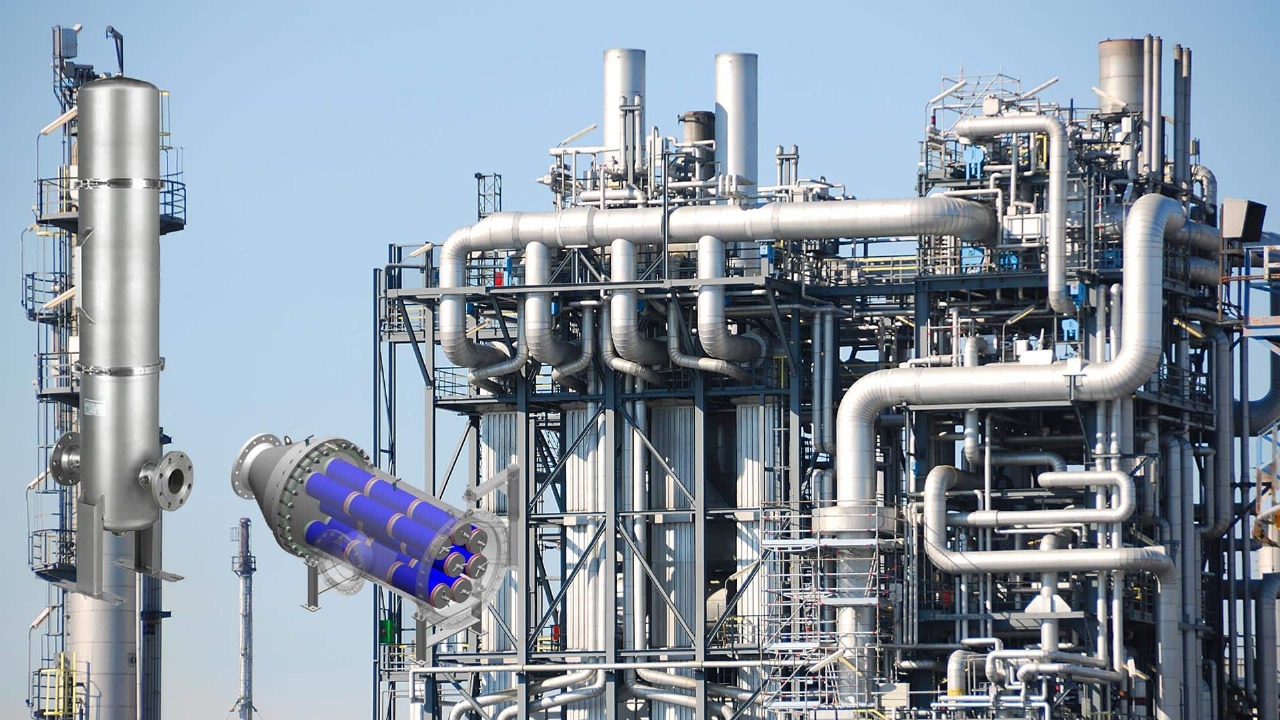
In industrial settings, efficiency, reliability, and product quality all hinge on one often-overlooked component: the filtration system. Whether you’re in manufacturing, chemical processing, food and beverage, or pharmaceuticals, industrial process filters play a crucial role in protecting your equipment, improving output, and maintaining regulatory compliance.
At SG Industries, we specialize in designing and delivering robust filtration systems for industrial use that meet the evolving demands of American industries. Suppose you’re new to filtration or are considering upgrading your current setup. In that case, this practical guide will help you better understand the value and application of inline filters for processing and other filtration solutions.
Why Are Process Filters Critical in Industrial Applications?
Industrial systems are often complex and operate under high pressure and heavy usage. Without proper filtration, unwanted particles—such as dust, debris, or chemical contaminants—can cause blockages, reduce performance, or even lead to costly equipment failur
This is where industrial process filters step in. These filters are designed to trap contaminants at various points in the processing chain, ensuring smooth operation, product integrity, and equipment longevity.
Types of Industrial Process Filters
Understanding the different types of filters helps you choose the right solution for your system. Here are a few common types used in industries across the U.S.
Inline Filters for Processing
These are compact, high-efficiency filters installed directly into your pipeline or process flow. They’re ideal for filtering liquids or gases without disrupting the system layout. Inline filters are widely used in water treatment, chemical plants, and food-grade applications due to their minimal footprint and easy maintenance.
Cartridge Filters
These are replaceable filter elements used in a housing unit. They offer high filtration precision and are perfect for systems requiring frequent cleaning or fluid changes.
Bag Filters
These work well for bulk solids or pre-filtration, where large particulate loads need to be removed before fine filtration.
Self-Cleaning Filters
Designed for continuous operation, these filters automatically clean themselves, reducing downtime and manual intervention.
Choosing the Right Filtration System
When selecting filtration systems for industrial use, several factors must be considered:
1. Flow Rate & Pressure Requirements: Ensure the filter can handle your system’s flow and pressure without causing a bottleneck.
2. Type of Media: The nature of the fluid or gas being filtered—whether it’s water, chemicals, oil, or air—will dictate the material and design of the filter.
3. Contaminant Load: Higher contamination levels may require multi-stage filtration or self-cleaning capabilities.
4. Maintenance Needs: Choose a solution that aligns with your team’s maintenance capabilities and downtime tolerances.
SG Industries offers a wide range of customizable solutions tailored for different industries and applications. Our experts work closely with clients across the U.S. to evaluate system requirements and recommend the most effective industrial process filters.
The SG Industries Advantage
At SG Industries, we don’t believe in one-size-fits-all solutions. Our engineering-led approach ensures that every filtration system we deliver is purpose-built to perform under your specific operating conditions.
Whether you need precision inline filters for processing, high-capacity systems for bulk solids, or specialty filters for corrosive environments, we’re here to help.
Final Thoughts
Choosing the right process filters is not just about meeting technical specs—it’s about improving overall system efficiency, minimizing downtime, and protecting your long-term investments. With the right filtration systems for industrial use, your operations can run cleaner, faster, and more reliably.
Get in touch with SG Industries today to learn how we can support your industrial filtration needs across the U.S.
Frequently Asked Questions
Ans: Industrial process filters trap solids, liquids, and aerosols from process fluids to protect downstream equipment, enhance product quality, and reduce downtime.
Ans: Inline filters are compact units installed directly into pipelines that filter liquids or gases without altering the system layout—ideal for water, chemical, and food‑grade systems.
Ans: Choose based on required flow rate, pressure rating, fluid type, contaminant load, and select media (e.g., pleated, depth, coalescing) that suits your process needs.
Ans: Inline filters offer easy maintenance, minimal footprint, improved uptime, and effective contaminant removal—preserving equipment and ensuring reliable operation.
Recent Comments