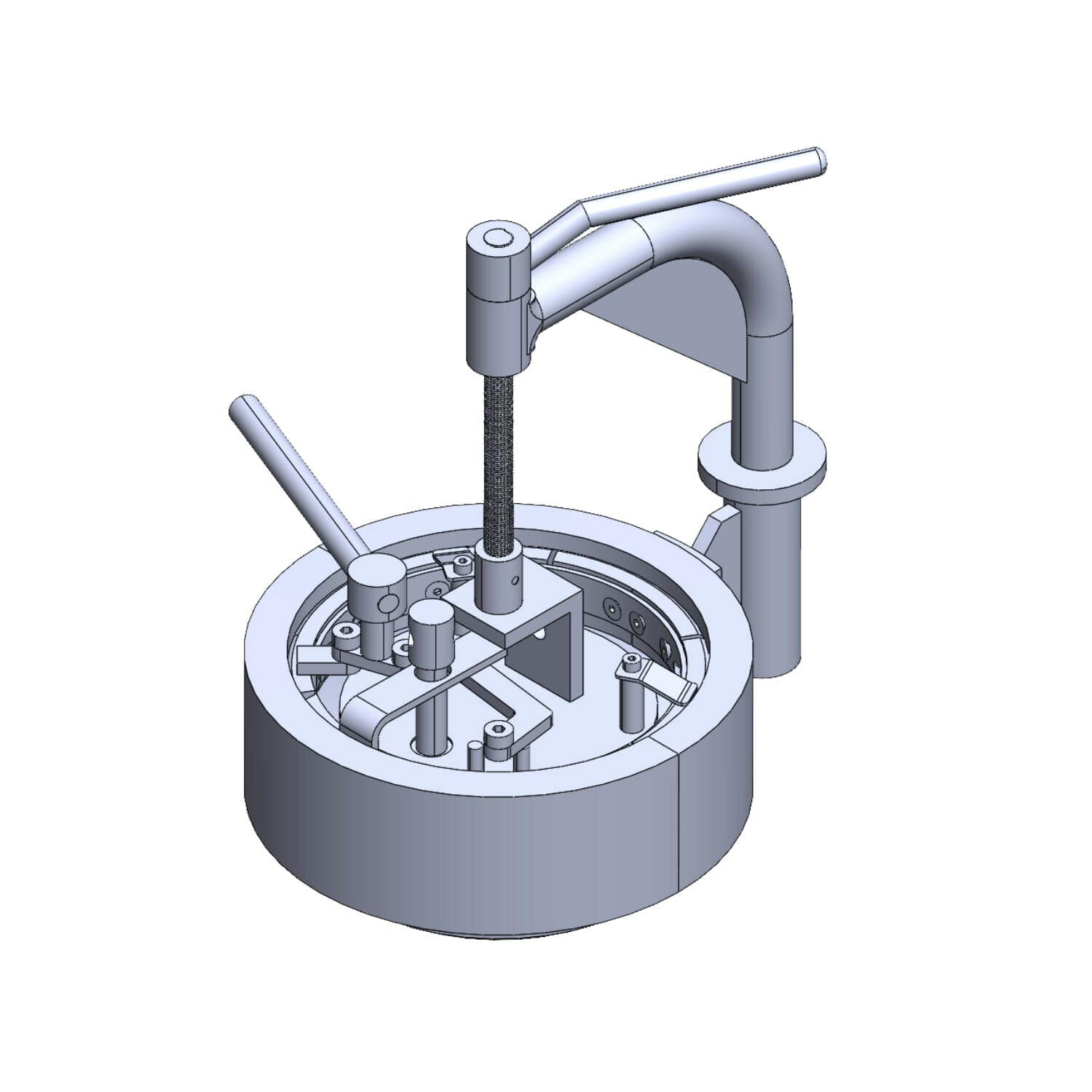
In industries where pressure vessels, pig launchers and receivers, filter vessels, separators, and process equipment operate under high pressure, safety is not just a regulatory requirement—it is a critical operational necessity. A single failure in an access closure can result in equipment damage, costly downtime, environmental risks, and severe injuries.
This is where an ASME quick-opening closure plays a vital role. Designed to provide fast access to pressure-containing equipment while maintaining strict safety standards, these closures have become an essential component of modern industrial operations. When integrated into a high pressure closure system, they significantly reduce operational risks while improving maintenance efficiency and productivity.
This article explains how ASME quick opening closures enhance safety, the engineering principles behind their design, and why industries worldwide rely on them for pressure vessel applications.
What Is an ASME Quick Opening Closure?
An ASME quick opening closure (QOC) is a pressure-containing device designed to provide repeated access to the interior of a pressure vessel or pipeline without requiring the time-consuming removal of multiple flange bolts.
According to ASME pressure vessel and pipeline standards, quick-opening closures are engineered to allow substantially faster access than conventional bolted connections while maintaining the required pressure integrity and safety performance.
These closures are commonly used in:
- Pig launchers and receivers
- Filter vessels
- Scraper traps
- Separators
- Pressure vessels
- Blowdown systems
- Process equipment requiring frequent maintenance
Unlike traditional flanged closures that may take significant time to open and secure, a properly designed ASME quick opening closure can be operated efficiently while incorporating multiple safety mechanisms to prevent accidental opening under pressure.
Why Safety Is Critical in High-Pressure Systems
Pressure vessels store large amounts of energy. Even a relatively small vessel operating at elevated pressure can release tremendous force if opened improperly.
Industry safety organizations have documented incidents where vessel doors were ejected due to:
- Incorrect closure engagement
- Worn locking components
- Failure to fully depressurize equipment
- Improper operating procedures
The National Board of Boiler and Pressure Vessel Inspectors notes that pressure vessels with quick-opening doors have historically been exposed to risks when closures are incorrectly operated or maintained.
Because of these risks, modern high pressure closure systems are designed with multiple layers of protection to eliminate human error and prevent unsafe operation.
Key Safety Features of ASME Quick Opening Closures
1. Positive Mechanical Locking Systems
One of the most important safety features of an ASME quick opening closure is its positive mechanical locking mechanism.
The closure remains securely engaged with the vessel even when subjected to high internal pressure. Properly engineered locking systems distribute pressure loads uniformly around the closure, preventing localized stress concentrations.
Benefits include:
- Enhanced structural integrity
- Reduced risk of accidental disengagement
- Improved reliability under cyclic pressure conditions
- Long-term operational safety
This locking arrangement ensures that the closure remains secure throughout the pressure cycle.
2. Integrated Safety Interlocks
Modern high pressure closure systems incorporate safety interlock mechanisms designed to prevent operator error.
These interlocks typically perform two critical functions:
Prevent Opening Under Pressure
- The closure cannot be opened while internal pressure remains inside the vessel.
Prevent Pressurization Before Locking
- The vessel cannot be pressurized until the closure is fully engaged and secured.
ASME requirements emphasize the importance of such interlocking systems because opening a closure under residual pressure can result in catastrophic consequences. Safety interlocks create a physical barrier against unsafe operation and significantly improve personnel protection.
3. Controlled Pressure Warning Mechanisms
Many advanced quick opening closure designs include pressure warning devices.
These mechanisms ensure that any residual pressure is safely vented before the closure can be fully disengaged.
Advantages include:
- Visual confirmation of vessel depressurization
- Reduced risk of premature opening
- Additional protection against operator oversight
- Improved compliance with safety procedures
This feature serves as a critical secondary safeguard in high-pressure applications.
4. Compliance with ASME Pressure Vessel Standards
Safety begins at the design stage.
ASME pressure vessel codes establish stringent requirements for:
- Design calculations
- Material selection
- Fabrication processes
- Inspection procedures
- Pressure testing
- Quality assurance
The ASME Boiler and Pressure Vessel Code (BPVC) is recognized globally as one of the most respected engineering standards for pressure-containing equipment. It provides comprehensive guidelines for ensuring structural integrity and operational safety throughout a vessel’s lifecycle.
When selecting an ASME quick opening closure, compliance with these standards helps ensure predictable performance in demanding industrial environments.
How ASME Quick Opening Closures Reduce Operational Risk
Faster Access Means Less Exposure
Maintenance personnel often need access to pressure vessels for:
- Inspection
- Cleaning
- Filter replacement
- Internal repairs
- Routine servicing
Traditional bolted closures require extensive manual labor and prolonged exposure around equipment.
An ASME quick opening closure allows operators to gain access more efficiently while maintaining safety controls. This reduces the time personnel spend interacting with pressure-containing systems.
The result is:
- Lower maintenance risk
- Reduced downtime
- Improved workforce productivity
- Better operational efficiency
Consistent Closure Performance
A major safety concern with conventional bolted flanges is inconsistent tightening.
Uneven bolt loading can lead to:
- Leakage
- Seal failure
- Premature wear
- Maintenance challenges
Modern high pressure closure systems are engineered to provide repeatable and consistent sealing performance every time they are operated.
This consistency helps maintain pressure integrity and reduces the possibility of human error during reassembly.
Enhanced Reliability in Critical Applications
Industries operating under harsh conditions require equipment that performs reliably over extended periods.
Applications include:
- Oil and gas processing
- Petrochemical facilities
- Refining operations
- Power generation
- Chemical processing
- Industrial filtration systems
ASME quick opening closures are specifically engineered for repetitive use while maintaining their safety characteristics across thousands of operational cycles.
This reliability helps organizations reduce unexpected failures and maintain safe operating conditions.
Benefits of Using an ASME Quick Opening Closure
Improved Personnel Safety
Safety interlocks, pressure warning devices, and engineered locking systems provide multiple layers of protection against accidental opening.
Reduced Downtime
Maintenance activities can be completed more quickly compared to conventional bolted closures.
Increased Operational Efficiency
Faster access allows maintenance teams to perform inspections and servicing without extended shutdown periods.
Regulatory Compliance
ASME-compliant designs help facilities meet industry standards and safety requirements.
Lower Lifecycle Costs
Reduced maintenance time and improved reliability contribute to lower overall operating costs.
Best Practices for Maintaining Closure Safety
Even the most advanced high pressure closure system requires proper maintenance and operation.
Recommended practices include:
Follow Standard Operating Procedures
Operators should always follow documented procedures for opening and closing equipment.
Verify Zero Pressure Before Opening
Pressure indicators should confirm complete depressurization before any attempt is made to access the vessel.
Inspect Locking Components Regularly
Routine inspection helps identify wear or damage before it affects performance.
Maintain Safety Interlocks
Interlocks should never be bypassed, disabled, or modified.
Train Personnel Thoroughly
Proper operator training remains one of the most effective methods of preventing incidents.
According to industry guidance, closure-related accidents are often associated with procedural failures rather than equipment design deficiencies, highlighting the importance of proper training and operating discipline.
How to Choose the Right High Pressure Closure System
When evaluating an ASME quick opening closure, consider:
- Design pressure and temperature requirements
- Application type
- Operating frequency
- Safety interlock design
- Material compatibility
- Maintenance accessibility
- Compliance with ASME standards
- Manufacturer engineering expertise
A properly engineered closure should not only meet pressure requirements but also enhance long-term operational safety and reliability.
How does an ASME quick opening closure improve safety?
An ASME quick opening closure improves safety by preventing accidental opening under pressure through mechanical locking systems, safety interlocks, pressure warning devices, and ASME-compliant engineering design. These features help protect personnel, maintain pressure integrity, reduce human error, and ensure safe access to pressure vessels and pipelines.
Conclusion
In high-pressure industrial environments, safety depends on both equipment design and operational discipline. An ASME quick opening closure provides a proven solution for achieving safe, efficient, and reliable access to pressure vessels and process systems. Through advanced locking mechanisms, safety interlocks, pressure-warning features, and compliance with stringent ASME standards, these closures significantly reduce operational risk while improving maintenance efficiency.
For organizations seeking a dependable high pressure closure system, investing in ASME-compliant engineering is not simply about regulatory compliance—it is about protecting people, safeguarding assets, and ensuring long-term operational excellence.
About SG INDUSTRIAL INC.
SG INDUSTRIAL INC. delivers engineered pressure vessel solutions designed to meet demanding industrial applications. With a focus on safety, quality, reliability, and compliance with international standards, SG INDUSTRIAL INC. supports customers with robust closure systems built for long-term performance.
Frequently Asked Questions
An ASME quick opening closure is a pressure-containing access device designed for rapid opening and closing of pressure vessels or pipelines while complying with ASME safety and design requirements.
Quick opening closures incorporate engineered locking systems, safety interlocks, and pressure warning mechanisms that help prevent accidental opening under pressure and reduce operator error.
They are commonly used in pig launchers, pig receivers, filter vessels, separators, pressure vessels, blowdown systems, and other industrial equipment requiring frequent access.
A high pressure closure system is a specialized closure assembly designed to safely contain internal pressure while allowing controlled access for maintenance and inspection activities.
Yes. Modern ASME-compliant designs typically include safety interlocks that prevent opening while pressure remains in the vessel and prevent pressurization unless the closure is properly secured.
Inspection frequency depends on operating conditions, regulatory requirements, and manufacturer recommendations. Regular inspections are essential to verify the integrity of locking mechanisms, seals, and safety systems.
One reply on “How ASME Quick Opening Closures Improve Safety in High-Pressure Systems”
[…] pressure vessel quick opening closure also requires full isolation and depressurization, but it uses a dedicated locking mechanism rather […]