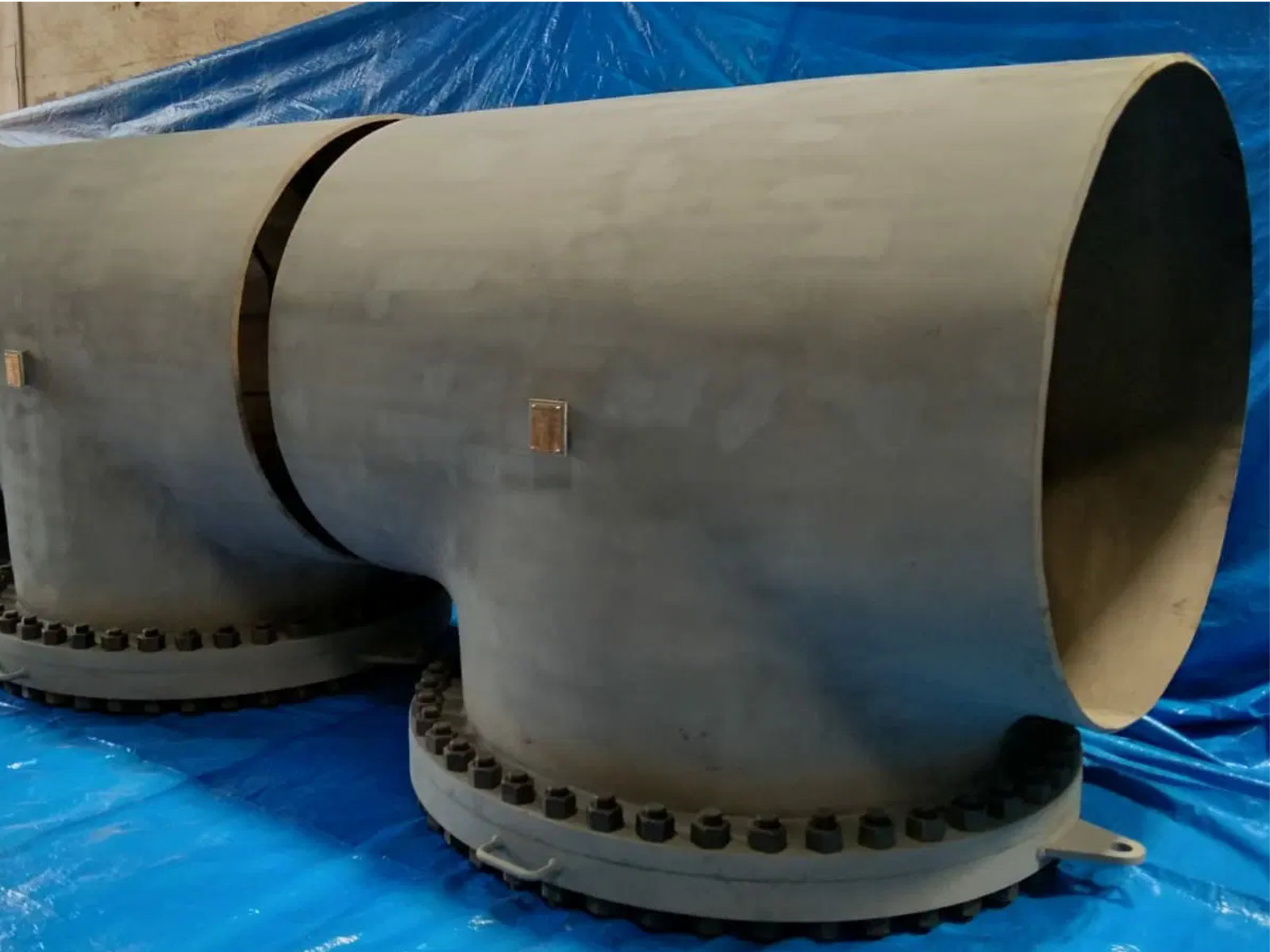
ASME T-conical strainers are specialized filtration devices combining the features of both T-type and conical (cone / truncated cone) strainers, often used in high-pressure, high-temperature, or high-contaminant‐risk pipeline systems. In industries such as oil and gas, petrochemical, power generation, and utilities, these strainers serve a crucial role: removing solid particles (scale, weld spatter, rust, construction debris) to protect downstream equipment (pumps, valves, meters, heat exchangers). Because they meet ASME and/or API standards, T-conical strainers are trusted components for critical applications. Suppliers of industrial t-conical strainers must ensure compliance with material grades, pressure ratings, connection types, and design tolerances to satisfy industry codes and operational safety.
Key Benefits for Oil and Gas Pipelines
In the oil and gas sector, reliability, safety, and minimization of unplanned downtime are non-negotiable. ASME t-conical strainers bring several benefits in that context:
1. Protection of Critical Equipment & Reduction of Downtime
Startup and commissioning phases in oil & gas pipelines are often subject to debris from fabrication: scale, slag, rust, and weld beads. If left unchecked, these contaminants cause erosion, clogging, and mechanical damage to pumps, valves, and meters. T-conical strainers act as a first line of defense, capturing coarse particles, thereby extending equipment life and lowering maintenance costs. According to industry publications, conical (temporary) strainers are especially valuable during these vulnerable stages.
2. High Pressure, High Temperature Capability
ASME t-conical strainers designed for oil and gas must withstand severe service conditions: high pressure (often up to Class 1500 or more) and elevated temperatures. A well-engineered strainer must use rugged fabrication—materials such as carbon steel, stainless steel, or specialty alloys—and strong, all-welded construction. For example, SG Industrial Inc. offers T & Conical Strainers with pressure ratings up to Class 1500, full welded construction, and design compliant with ASME/API.
3. Flexible Filtration and Installations
Different applications demand different mesh sizes, screen styles, and installation configurations. ASME T-conical strainers typically provide a broad range of filtration options (from coarse to relatively fine screens), screen or basket removal for inspection/maintenance, and drain ports for blowdown. Their design allows for both horizontal and vertical installation, as required by the pipeline routing. These features reduce the operational complexity in oil & gas plants and make maintenance safer and more predictable.
4. Minimizing Pressure Drop & Maintaining Flow Efficiency
One trade-off in any strainer is that filtering diverts flow and may cause a pressure drop. A T-conical design can help minimize this by offering a larger filtration surface area (especially when conical/truncated cone shapes are used), enabling more debris to be held without blocking flow, and delaying the buildup of differential pressure. This is vital in oil and gas, where pumped fluids may already be under high pressure and any added drop translates into more energy consumption or may risk cavitation, vibration, etc.
What Industrial T-Conical Strainer Suppliers Must Provide
To meet the expectations of oil & gas operators and engineers, credible industrial t-conical strainer suppliers need to demonstrate the following:
- Standards compliance: ASME, API standards, material certifications, pressure & temperature ratings.
- Robust fabrication: alloy selection, all welded bodies, full non-destructive testing (NDT), corrosion resistance.
- Customizability: screen mesh sizes, basket or removable screen designs, drain provisions, choice of end connections (flanged, butt-welded), and orientation flexibility.
- Support & maintenance: spare parts, inspection windows or ports, guidance for installation, documentation of expected service life, and ability to supply in emergency or rapid-turnaround contexts.
- Proven track record: case studies or references, particularly in the oil & gas sectors, showing performance under real conditions.
SG Industrial Inc., for example, positions its T & Conical strainers with technical specifications like sizes from 2″ to 36″, temperature ranges from −20 °F to 750 °F, and materials suitable for high-duty ASME/API service.
Market Context & Growth Data
The demand for industrial pipeline strainers is growing, driven by increased infrastructure investment, stricter environmental / safety regulations, and the rising scale of oil & gas exploration and processing. The global industrial pipeline strainers market was valued at approximately USD 4.9 billion in 2023 and is forecast to reach around USD 7.5 billion by 2032, with a compound annual growth rate (CAGR) of approximately 4.8%. Source:Dataintelo
Within that market, strainers used in oil & gas applications account for a large and growing share, because the cost of failure (equipment damage, shutdowns, leaks) is particularly high in that sector. Industrial t-conical strainer suppliers who can meet the performance, compliance, and reliability demands are thus well-positioned.
Conclusion
In summary, ASME t-conical strainers bring together ruggedness, filtration flexibility, and installation adaptability—making them especially valuable in oil and gas pipelines, where harsh service conditions, startup debris, and high safety and reliability standards prevail. For industrial users, sourcing strainers from reputable industrial t-conical strainer suppliers who comply with ASME/API standards, provide detailed specifications, and offer maintenance support is essential.
Frequently Asked Questions About ASME T-Conical Strainers
ASME T-conical strainers in oil and gas pipelines remove debris like rust, scale, and weld spatter, protecting pumps, valves, and meters.
T-conical strainers protect equipment, reduce downtime, minimize pressure drop, and improve flow efficiency in industrial pipelines.
Choose industrial T-conical strainer suppliers that meet ASME/API standards, offer certified materials, customizable designs, and proven oil and gas experience.
Yes, ASME T-conical strainers are designed to handle high pressure and temperature, making them ideal for use in oil and gas, petrochemical, and power applications.
Recent Comments