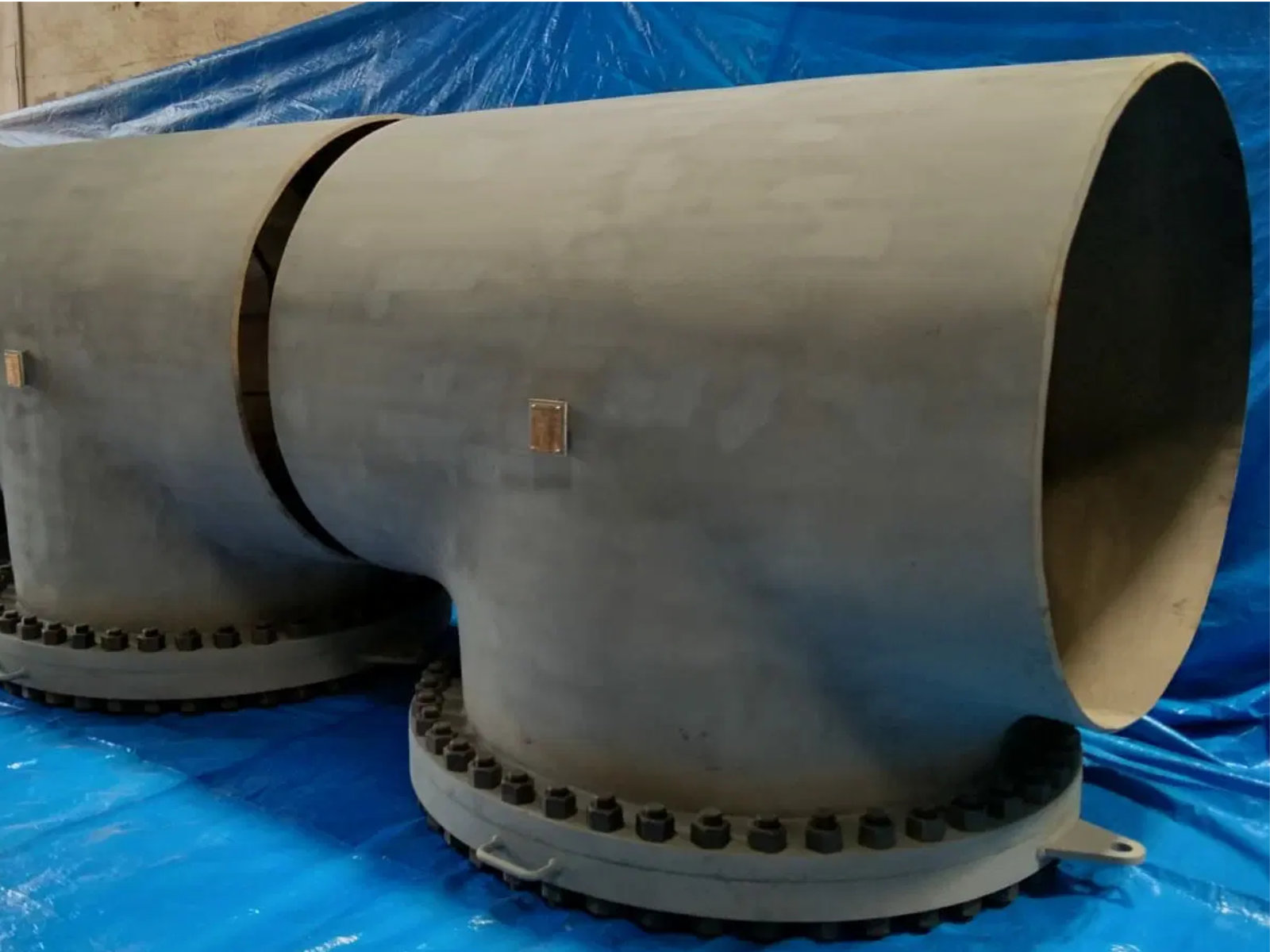
In industrial fluid handling systems, reliable filtration is essential for protecting equipment and maintaining consistent performance. One of the most widely used inline filtration devices is the T Strainer.
This article explains what a T Strainer is, how it works, and when it should be used in industrial applications.
What Is a T Strainer?
A T Strainer is an inline filtration device with a T-shaped body designed to remove solid particles from fluid streams.
It consists of:
- A T-shaped housing
- A removable perforated or mesh filtration element
- A cover for access and maintenance
- Optional blowdown connection
It is permanently installed in pipelines to protect downstream equipment.
How T Strainers Work
Fluid enters the strainer body and passes through the internal filtration element. Solid particles larger than the perforation or mesh size are retained, while clean fluid continues downstream.
Key Performance Advantages
- Efficient inline installation
- Suitable for high-pressure systems
- Easy access for maintenance
- Optional blowdown valve for debris removal
Unlike conical strainers, T strainers do not rely on cone geometry for filtration area — their performance depends on properly sized internal elements.
What Is a Conical Strainer?
A Conical Strainer (also called a temporary strainer) is a cone-shaped filtration device installed between flanges. It is primarily used during startup or commissioning to remove construction debris.
When to Use Conical Strainers
- During pipeline flushing
- Before commissioning new systems
- To protect equipment during initial operation
After startup, conical strainers are typically removed and replaced with permanent strainers such as T strainers or basket strainers.
When Should You Use a T Strainer?
A T Strainer is the right choice when:
1. Continuous Inline Protection Is Required
For permanent systems requiring long-term filtration.
2. Equipment Protection Is Critical
Protects pumps, heat exchangers, compressors, and valves.
3. System Operates Under Pressure
T strainers are suitable for high-pressure and industrial-grade applications.
4. Blowdown Cleaning Is Desired
Where quick debris removal is required without full disassembly.
Selecting Reliable Industrial Strainer Suppliers
When choosing strainers, consider:
- Compliance with applicable standards (e.g., ASME if required)
- Material compatibility
- Pressure class ratings
- Application-specific design customization
- Quality control and engineering support
Working with experienced industrial strainer manufacturers ensures long-term operational reliability.
Final Thoughts
T Strainers and Conical Strainers are two distinct filtration devices serving different purposes:
- T Strainers – permanent inline protection
- Conical Strainers – temporary startup filtration
Understanding their design differences helps engineers select the right solution, reduce downtime, and enhance equipment protection.
Frequently Asked Questions
T-conical strainers for pipeline protection are used to remove solid particles from fluid streams to protect pumps, valves, compressors, and heat exchangers. They prevent debris from damaging downstream equipment and ensure uninterrupted industrial operations in oil, gas, petrochemical, and power systems.
A T strainer is a permanent inline filtration device installed in pipelines for continuous operation.
A conical strainer (temporary strainer) is typically installed between flanges during startup or commissioning to remove construction debris. After initial flushing, conical strainers are removed and replaced with permanent solutions like T strainers.
Yes, ASME T-conical strainers for oil and gas applications are often required when systems operate under high pressure or regulated conditions. ASME compliance ensures the strainer meets pressure vessel standards, material specifications, and safety requirements for critical industrial environments.
You should install a T strainer when continuous inline filtration is required for long-term equipment protection. It is ideal for high-pressure systems, critical process lines, and applications where regular maintenance access or blowdown cleaning is needed.
When selecting industrial T-conical strainer suppliers, evaluate:
- ASME or applicable code compliance
- Pressure and temperature ratings
Material compatibility with process fluids - Engineering support and customization options
- Proven quality control standards
Working with experienced manufacturers ensures durable pipeline protection and reduced downtime.
Recent Comments